Whenever a pet opens their mouth and the smell knocks you back, it’s tempting to think it’s just “dog breath” or “something they ate.” Maybe there’s a bit of yellow on their teeth, but it doesn’t seem urgent.
Unfortunately, that small sign of buildup is often the first clue that something deeper is going on, something that could quietly turn into serious pain, infection, or even tooth loss.
Dental disease in pets doesn’t happen overnight, but once it begins, it rarely gets better on its own. And because pets can’t tell us when they’re hurting, the early signs often go unnoticed. By the time the signs become obvious: like drooling, bad breath, or not eating normally, the damage may already be advanced.
What starts as a minor issue can affect your pet’s comfort, health, and overall quality of life.
Why Regular Dental Care Matters
Most pets need a dental checkup at least once a year. That routine visit plays a bigger role than most people realize. It helps catch trouble early, before it turns into something painful or costly. While brushing your pet’s teeth at home is helpful (and highly encouraged), it only removes surface debris. It doesn’t clean under the gum line, which is where plaque builds up, hardens into tartar, and starts damaging the tissues that hold the teeth in place.
That hidden plaque is often the starting point of gum disease, which can lead to bleeding, inflammation, tooth mobility, and infections. Or worse, bacteria from the mouth can enter the bloodstream and affect organs like the heart, liver, or kidneys.
By catching problems early, we’re able to treat them quickly and comfortably. And for pets, that can mean avoiding serious pain, complicated procedures, or the emotional stress of a more advanced illness.
How Skipping Checkups Turns Into Pain
Dental problems rarely start with dramatic symptoms. A bit of redness on the gums, a slight change in breath, or some mild discomfort when chewing may be the only signs. But beneath the surface, bacteria are already at work, spreading under the gums and breaking down the support structures of the teeth.
Pets are experts at hiding pain. Even when they’re uncomfortable, they’ll often keep eating and behaving normally, making it easy to miss the signs. But as the disease progresses, the damage accelerates. Gums pull away from the teeth. Infections form in pockets beneath the gum line. Teeth become loose. Some even fall out.
By the time a pet stops eating or starts pawing at their face, the situation has usually become urgent, and far more painful. Regular dental visits prevent this quiet buildup and keep pets from suffering in silence.
What Makes a Vet Cleaning Different?
Brushing at home is a good habit, but it only reaches the visible surfaces of your pet’s teeth. To truly clean beneath the gum line, where plaque and tartar are most dangerous, we perform a professional dental cleaning under anesthesia. This allows us to safely access the hard-to-reach areas and remove buildup that a toothbrush simply can’t get to.
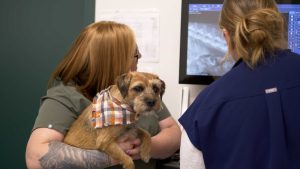
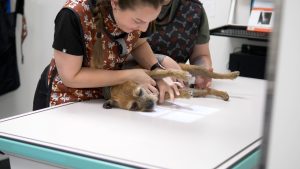
Our dental cleanings include a full examination and professional scaling and polishing using specialized veterinary equipment. But we don’t stop at what we can see. We also perform dental X-rays, which let us examine the roots and jawbone. Many dental issues, such as infections, abscesses, or bone loss, are invisible to the naked eye. These X-rays ensure nothing goes undetected.
Every step is taken with your pet’s health and comfort in mind. By using anesthesia, we keep pets relaxed and still during the procedure, so we can complete a thorough cleaning without causing distress or discomfort.
What Our Estimates Cover at Thrive Vet Care
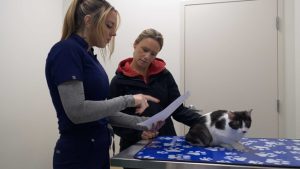
If this is your first time looking into a dental cleaning, the process may feel a little unfamiliar. That’s why we make it easy and transparent. At Thrive Vet Care, we offer complimentary, no-obligation estimates before any treatment begins. During your consultation, our team will explain exactly what the cleaning involves, why each step matters, and how much everything will cost.
If you’re a new client, we don’t require an initial wellness exam unless you decide to go forward with the procedure. There’s no pressure, and you’ll leave with a clear understanding of what your pet needs and what to expect if you move ahead.
Our goal is to make dental care simple, clear, and stress-free, both for pets and for the people who love them.
When to Seek Urgent Veterinary Care
Some dental problems can’t wait. If your pet is drooling excessively, refusing to eat, dropping food, pawing at their face, or bleeding from the mouth, these are signs of serious dental pain. Swelling around the face or jaw may indicate an abscess, and that can spread quickly.
In these cases, immediate care is needed. Delaying treatment can make the condition worse, increase the risk of infection, and cause lasting damage to the teeth or jawbone. If you’re ever unsure whether something is urgent, call us. It’s always better to ask and get peace of mind than to wait and regret it later.
Worried Your Pet’s Teeth Might Be at Risk?
If your pet’s breath has changed, their appetite seems off, or you’ve noticed any buildup on their teeth, it could be time to take a closer look. At Thrive Vet Care, we offer complimentary assessments and cost estimates for dental cleanings so you know where your pet stands, without any guesswork or surprises.
We’re proud to be one of the trusted airdrie veterinary clinics that local pet owners rely on. Our experienced team of vets in Airdrie takes your pet’s dental care seriously, using advanced tools and gentle techniques to prevent discomfort, infection, and loss of teeth before it ever happens.
Call Thrive Vet Care today to schedule your pet’s complimentary dental assessment. Let us help your pet stay healthy, happy, and smiling.