If your dog constantly licks its paws, allergies, skin infections, injuries, or irritation could be responsible. Sometimes, anxiety or boredom also triggers this behaviour. While occasional paw licking is perfectly normal, excessive licking often signals discomfort that deserves attention. Understanding the possible causes can help you recognize when your furry friend needs professional veterinary care.
Is Paw Licking Normal for Dogs?
Dogs naturally lick their paws to clean away dirt, moisture, and debris after walks. It’s simply part of their grooming routine.
However, there’s a difference between occasional cleaning and persistent licking. If your dog repeatedly chews its paws, interrupts playtime to lick them, or develops irritated skin, something may be wrong.
Interestingly, excessive licking can create a frustrating cycle – irritated skin becomes itchier, encouraging even more licking.
What Causes Excessive Paw Licking?
Several conditions can explain why your dog seems obsessed with its paws.
- Environmental allergies: Grass, pollen, dust mites, and household cleaning products can trigger itchy skin.
- Food allergies: Certain ingredients may cause allergic reactions that affect your dog’s paws.
- Yeast or bacterial infections: These can cause redness, swelling, unpleasant odours, and persistent itching.
- Injuries: Small cuts, broken nails, splinters, or objects trapped between the toes can cause discomfort.
- Parasites: Fleas and mites may contribute to skin irritation and excessive licking.
- Anxiety or boredom: Some dogs develop repetitive licking habits when stressed or understimulated.
Canadian weather adds another challenge. During winter, road salt and de-icing chemicals can irritate sensitive paw pads, while summer brings environmental allergens and hot pavement.
How Can You Tell If Something Is Wrong?
Your dog’s paws can reveal important clues about its health. Watch for these warning signs:
- Red, swollen, or inflamed skin between the toes
- Brownish saliva stains around the paws
- Unusual odours or discharge
- Cracked paw pads or visible wounds
- Limping or sensitivity when paws are touched
- Constant licking that disrupts sleep or daily activities
If you notice these symptoms, scheduling a veterinary examination is the safest approach. Sudden limping, significant swelling, or severe pain warrants prompt attention.
How Do Veterinarians Treat Paw Licking?
Effective treatment starts with identifying the underlying cause rather than simply stopping the behaviour.
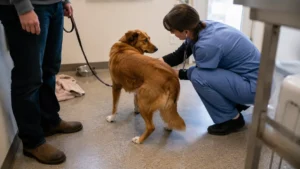
Experienced Airdrie veterinarians can examine your dog’s paws, assess potential allergies, and recommend appropriate diagnostic tests.
Depending on the findings, treatment may involve prescription medications, parasite prevention, medicated skin products, or a veterinarian-supervised elimination diet.
At Thrive Vet Care, professional veterinary care can help pet owners understand their dog’s symptoms and find suitable solutions for lasting comfort.
Can You Prevent Excessive Paw Licking?
Simple preventive habits can support healthier paws. Gently clean and dry your dog’s feet after walks, particularly during winter. Regularly check for injuries and keep nails properly trimmed.
Mental stimulation, exercise, and interactive toys may also reduce stress-related licking.
However, avoid applying human creams or experimenting with medications without veterinary guidance. The wrong treatment could worsen an existing condition.
Help Your Dog Feel Comfortable Again
Persistent paw licking shouldn’t become your dog’s daily struggle. Early veterinary attention can prevent minor irritation from developing into painful infections.
Is your dog constantly licking or chewing its paws? Contact Thrive Vet Care today to schedule a veterinary appointment and give your furry companion the comfort, care, and attention it deserves!