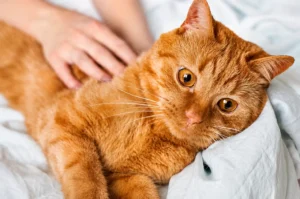
Bringing home a kitten is a little like welcoming a tiny, furry tornado into your life. One minute, they are sleeping peacefully, the next, they are climbing the curtains, attacking a shoelace, or investigating a cupboard that you were absolutely certain was closed.
Between choosing food, setting up litter boxes, protecting houseplants, and rescuing your phone charger from very small teeth, it is easy to forget about vaccinations. However, vaccines are one of the most important parts of early kitten care.
Most kittens begin receiving vaccinations at approximately six to eight weeks of age. They then need additional doses every few weeks until they are at least 16 weeks old. The exact timing depends on the kitten’s health, vaccination history, lifestyle, environment, and risk of exposure to infectious diseases.
Why Do Kittens Need More Than One Vaccine?
A newborn kitten receives temporary protection from antibodies passed through its mother’s milk. These maternal antibodies are helpful during the first weeks of life, but they create a small complication – they can interfere with the kitten’s response to vaccination.
The problem is that maternal protection does not disappear on a predictable date. One kitten may lose it earlier, while another may remain partially protected for several additional weeks. There is no tiny calendar inside the kitten that suddenly announces, “Maternal antibodies expired today.”
For this reason, veterinarians administer a series of vaccines rather than relying on one injection. The repeated doses increase the likelihood that the kitten develops effective immunity as maternal antibodies decline.
Current veterinary guidelines generally recommend giving core vaccines every two to four weeks, with the final dose administered when the kitten is at least 16 weeks old. In some situations, an additional vaccination may be recommended later, particularly when the kitten’s previous history is uncertain or the risk of infection is higher.
What Is the Typical Kitten Vaccination Schedule?
A kitten’s first veterinary visit should ideally take place shortly after adoption, even when the kitten appears perfectly healthy. Cats are remarkably good at hiding illness. They can look innocent while secretly planning both a digestive problem and the destruction of your favourite chair.
At approximately six to eight weeks, many kittens receive their first core combination vaccine. This is commonly called the FVRCP vaccine.
At approximately ten to twelve weeks, the kitten usually receives another FVRCP dose. Depending on the veterinarian’s recommendations, this may also be the time to begin vaccination against feline leukemia virus.
At approximately fourteen to sixteen weeks, another FVRCP dose is normally administered. A rabies vaccine may also be given around this stage, depending on the product used, the kitten’s health, regional recommendations, travel plans, and other risk factors.
The initial series does not necessarily end there. Updated vaccination guidance may support another core revaccination at or after 26 weeks of age to protect kittens whose maternal antibodies interfered with their earlier doses. Other protocols schedule the first major booster approximately one year after the initial kitten series. Your veterinarian will determine the appropriate plan based on the vaccines used and your kitten’s individual circumstances.
Which Vaccines Do Kittens Usually Receive?
Vaccines are generally divided into core and non-core categories. Core vaccines are recommended for nearly all cats because they protect against widespread, contagious, or potentially life-threatening diseases. Other vaccines are selected according to the cat’s lifestyle and exposure risk.
Common kitten vaccines include:
- Feline panleukopenia – A highly contagious and potentially fatal viral disease that may cause fever, vomiting, diarrhea, dehydration, immune suppression, and sudden death.
- Feline herpesvirus type 1 – A major cause of respiratory disease, sneezing, nasal discharge, eye inflammation, and recurring symptoms.
- Feline calicivirus – A contagious infection that may cause respiratory symptoms, fever, mouth ulcers, reduced appetite, and, in some cases, more serious illness.
- Rabies – An almost invariably fatal disease that can infect mammals, including humans. Recommendations may depend on local risk, travel, boarding, and applicable regulations.
- Feline leukemia virus – A virus associated with immune suppression, anemia, cancer, and other severe health problems. Vaccination is commonly recommended for kittens because their future lifestyle and exposure may not yet be fully known.
The FVRCP vaccine combines protection against panleukopenia, herpesvirus, and calicivirus. It is convenient, but the name sounds suspiciously like someone dropped a keyboard while attempting to type “cat vaccine.”
The Canadian Veterinary Medical Association identifies these infectious diseases as important vaccination targets and notes that feline leukemia vaccination is especially relevant for kittens under one year of age.
Does an Indoor Kitten Still Need Vaccinations?
Yes. Indoor living reduces certain risks, but it does not create an invisible force field around your home.
Viruses may enter on contaminated objects, clothing, footwear, carriers, or hands. A kitten may also escape through an open door, encounter another animal, visit a boarding facility, or require hospitalization. Bats can occasionally enter homes as well, creating a potential rabies exposure even for a cat that never intentionally goes outside.
Indoor kittens should still receive their core vaccinations. The decision about additional vaccines can be adjusted according to their lifestyle.
For example, a kitten living alone in a strictly indoor household may eventually have different needs from a kitten that goes outdoors, lives with several cats, visits boarding facilities, or regularly encounters unfamiliar animals. Vaccination plans should be reviewed whenever the cat’s environment changes.
Why Is Feline Leukemia Vaccination Important?
Feline leukemia virus, usually shortened to FeLV, spreads mainly through close contact between cats. It may be transmitted through saliva, grooming, shared bowls, bite wounds, and prolonged household contact.
Young cats are particularly vulnerable. A kitten that currently lives indoors may later begin going outside, move into a multi-cat household, or accidentally escape. Because nobody can confidently predict every adventure a kitten will attempt during its first year, veterinarians often recommend an initial FeLV vaccination series.
The initial series generally requires two doses given several weeks apart. Before vaccination, a veterinarian may recommend testing the kitten for FeLV, particularly when the kitten came from a shelter, lived outdoors, was found as a stray, or has an unknown medical history.
What Happens During a Vaccination Appointment?
A vaccination visit is not simply a quick injection followed by a treat and an offended expression.
Before administering a vaccine, the veterinarian examines the kitten to confirm that vaccination is appropriate that day. The appointment may include checking the kitten’s weight, heart, lungs, eyes, ears, mouth, skin, coat, abdomen, joints, and overall development.
It is also an opportunity to discuss nutrition, parasite prevention, deworming, litter box habits, behaviour, microchipping, and the recommended timing of spaying or neutering. If you are arranging a cat vaccination in Airdrie, bringing all available adoption and medical records can help the veterinarian avoid unnecessary doses and create an accurate schedule.
Professional supervision matters because the same vaccine plan is not appropriate for every kitten. Age, health, medications, previous reactions, living conditions, travel, and contact with other animals all influence the final recommendation. The CVMA supports veterinarian-supervised vaccination protocols tailored to the individual animal.
Are Vaccine Reactions Common?
Most kittens experience no serious problems after vaccination. Some may be quieter than usual, eat slightly less, feel tender around the injection site, or develop a mild fever for approximately 24 hours. This may mean your energetic curtain climber voluntarily takes a nap, which can seem suspicious but is usually temporary.
A small lump may occasionally form at the injection site and often disappears without treatment. Nevertheless, owners should monitor their kitten after every appointment.
Contact the veterinary clinic promptly if you notice:
- Difficulty breathing, facial swelling, repeated vomiting, severe diarrhea, collapse, extreme weakness, or widespread itching.
- A lump that continues growing, remains present for an extended period, becomes painful, or changes in appearance.
Severe allergic reactions are rare, but they require immediate attention. Keeping your kitten at home and observing them after the appointment makes it easier to notice unusual symptoms.
What If a Kitten Misses a Vaccine?
Missing an appointment does not automatically mean the entire vaccination series must be restarted. The next step depends on the kitten’s age, which vaccines were previously administered, how much time has passed, and whether reliable records are available.
Do not guess the schedule or purchase vaccines from an uncertain source. Vaccines must be stored, handled, selected, and administered correctly. Improper storage can make a vaccine ineffective even when the bottle looks completely normal.
Contact the clinic and provide every record you have. A veterinarian can determine whether the kitten needs another dose immediately, a modified schedule, or a different vaccine plan.
When Can a Kitten Safely Meet Other Cats?
Socialization is important, but uncontrolled exposure to unfamiliar cats should be limited until the kitten has made sufficient progress through the vaccination series.
A kitten is not considered fully protected immediately after receiving a vaccine. The immune system needs time to respond, and no vaccine guarantees complete protection. Until your veterinarian confirms that social contact is appropriate, avoid unknown cats, shared outdoor spaces, communal feeding areas, and environments where sick or unvaccinated animals may have been present.
Controlled interaction with healthy, properly vaccinated household cats may be possible earlier, but the decision should take into account the health and vaccination status of every animal involved.
Building a Long-Term Vaccination Plan
Vaccination does not end when kittenhood does. After completing the initial series, cats need boosters at intervals determined by the vaccine, their age, medical history, and exposure risk. Some vaccines may be administered annually, while others may be given every three years.
Annual wellness examinations remain important even when no vaccine is due. They allow the veterinarian to detect early signs of dental disease, weight changes, parasites, heart abnormalities, kidney problems, and other conditions that cats may conceal remarkably well.
Thrive Vet Care provides immunization and wellness services designed around each pet’s life stage. Its team can review existing records, perform a complete examination, recommend appropriate vaccines, and help owners keep track of future appointments. Working with an experienced Airdrie veterinary team means your kitten receives a personalized preventive care plan rather than a one-size-fits-all schedule.
Give Your Kitten a Healthy Start
In most cases, kitten vaccinations begin at six to eight weeks of age and continue every few weeks until at least 16 weeks. Additional vaccination around six months or a later booster may be recommended, depending on the veterinarian’s protocol and the kitten’s individual needs.
Starting on time protects your kitten during a vulnerable stage of development and helps reduce the spread of serious infectious diseases within the wider cat community.
Your kitten may not appreciate the carrier, the car ride, or the brief injection. They may even glare at you as though you have personally betrayed the entire feline species. Fortunately, that dramatic performance usually ends around the time the treats appear – while the protection provided by appropriate veterinary care can last much longer.